CLAIR LabCORPUS, LANGUAGE & AI RESEARCH LAB
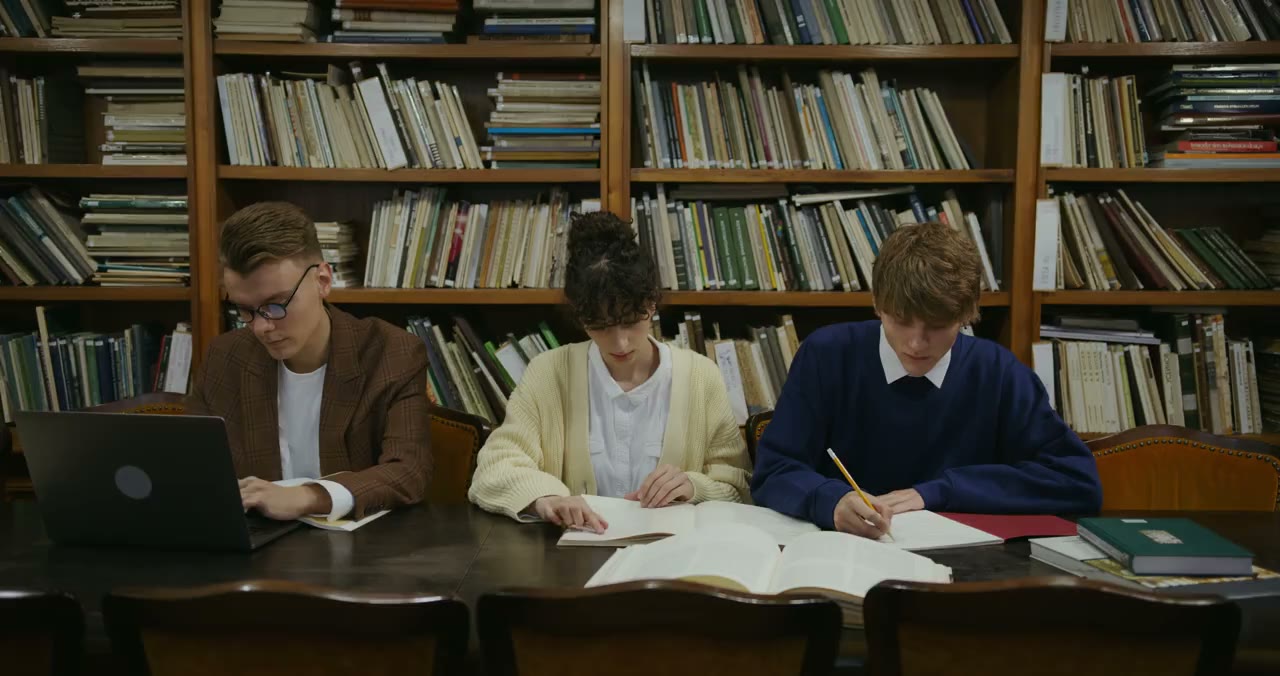
Students reading, writing and working with a laptop in a libraryIllustrative footage · Tima Miroshnichenko / Pexels

LANGUAGE MEETS CODE

From scattered text
to a usable corpus.

Collect translation data. Clean the messy bits, connect language pairs, and build a dataset you can trust.

Basic to advancedPython in your browser
Explore real sources
See the data collection pipeline
A CORPUS, IN THE MAKING .py
HTMLCSVJSONTMX
for pair in collected_data:
  pair = clean(pair)
  if validate(pair):
    corpus.append(pair)
EN Check the pressure.
FR Vérifiez la pression.
source recorded · pair reviewed
Collect. Connect. Question. Keep.
ACTUAL WEBSITES. ACTUAL LANGUAGE DATA.

Take your Python into the field.

Choose a source, collect a small sample,
and keep the evidence with every pair.

Start with Tatoeba’s live API.Lab 9 retrieves real sentence pairs on demand. OPUS and Global Voices collectors are downloadable Python scripts. No sample data is substituted if a live request fails.

Source documentation checked 21 November 2026. Services, results and access rules can change. Tatoeba’s attribution license

YOUR LEARNING PATH

Small scripts. Bigger possibilities.

Build the foundations, then collect live data.
Each lab has a challenge and a takeaway.

Meet your next project.
Corpus Studio is open.

Learn LancsBox and AntConc. Investigate AI terminology, translation choices and rhetorical patterns with real sources, a concordance bench and a project notebook.

Explore corpus projects

Bring your curiosity.
Leave with a corpus.

Foundation labs use original English–French maintenance text. Live fieldwork retrieves actual Tatoeba sentence pairs and preserves their contributors, links and licenses.

What you’ll learn

    YOUR CHALLENGE

    Python workspaceReady to load Python
    Edit freely. Tab inserts four spaces. Every run starts with fresh variables.
    OutputNot run yet
    Run the example, then make it your own.
    Run your code before checking.
    TAKE IT INTO PRACTICE

    Read the code, step by step
      KEEP THIS BESIDE YOUR NOTEBOOK

      The collector’s field guide

      Before collection

      Define your language pair, domain, unit of analysis, sampling frame and intended reuse. Confirm permission and license; public availability alone does not grant reuse rights.

      During collection

      Keep source URLs or document IDs, retrieval dates, language tags, license information and a raw snapshot. Follow site terms and robots guidance, limit request rates, and avoid private or identifying data you do not need.

      Before analysis

      Inspect alignment and missing data. Report exclusions. Split by document before modelling to reduce leakage. Automated flags prioritise review; they do not prove translation quality.

      Browser vs local Python

      These labs run real Python with Pyodide in a browser worker. They use the standard library. Foundation web/API examples use fixtures. Lab 9 uses Tatoeba’s live API. Downloadable scripts query Tatoeba and OPUS or collect translation-page links from Global Voices. Real collection may need a local Python environment, an API key, rate limiting, retries and permission; browser requests also face CORS restrictions.

      Go deeper

      Do not paste secrets into a learning notebook. Only run code you understand. Draft code and challenge progress are saved in this browser; uploaded CSV text is not.

      VISION

      To become a globally recognized center of excellence in corpus-based language research, artificial intelligence, and multilingual communication.

      MISSION

      To advance the study of language and translation through innovative, corpus-informed, and AI-driven research that generates meaningful impact for academia, industry, and society.